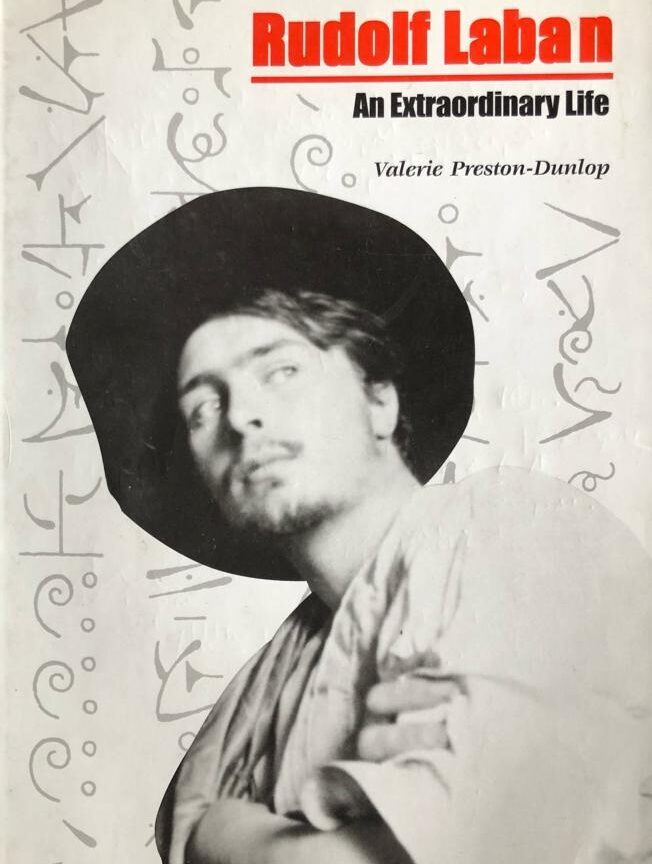
‘Space is a hidden feature of Movement. Movement is a visible aspect of Space’
Rudolf von Laban
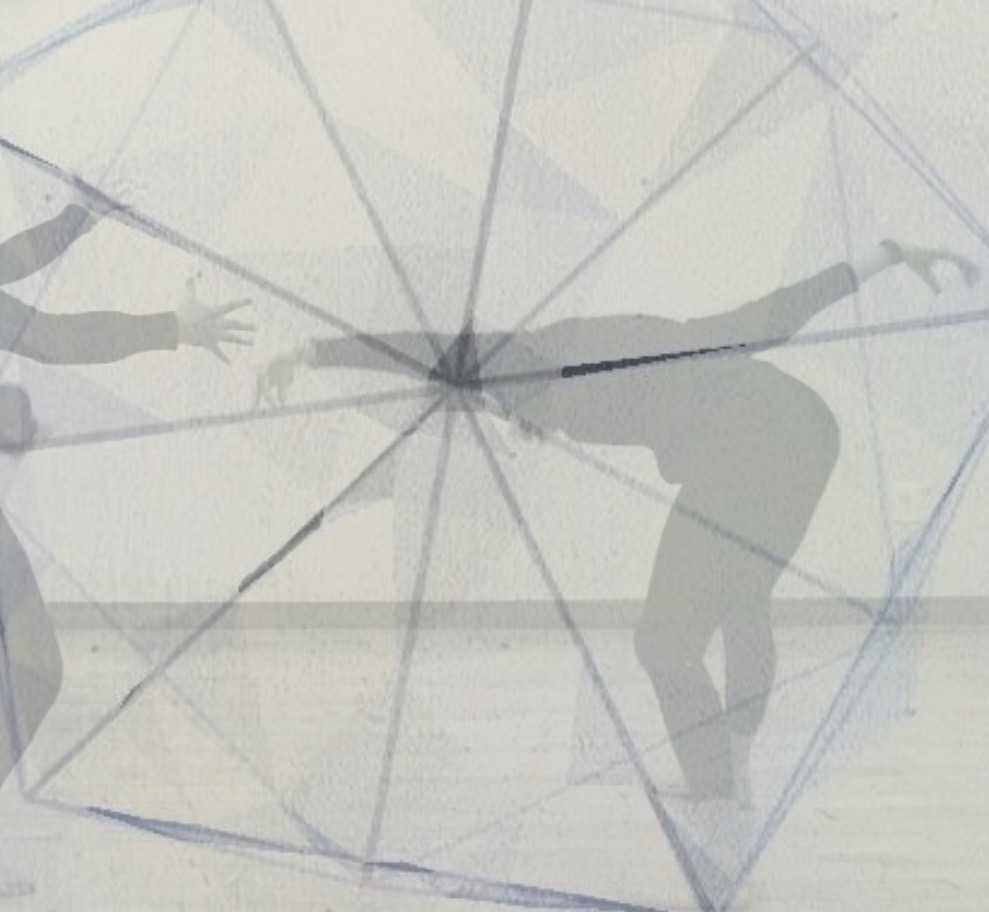
Laban methodology bridges body and space, and explores the language of movement with shape, form, flow, and the interplay of planes of movement.
These sessions bring clarity and precision to context, movement patterns, body direction, and space.
Ideal for enhancing performance, movement learning, and/or refining one’s own unique creative process.
Contact: elizabethwhitestudio@gmail.com
As soon as I walked into her studio I felt an immediate calm and an invitation to breathe freely. She is incredibly specific and clear. As an actor I have had a lot of experience with movement and voice coaches, and rarely have I seen someone with as acute an eye as Elizabeth. If you are an Artist seeking creative direction and/or feeling physically imbalanced, or want to become more aware of your body, posture and breath, I highly recommend Elizabeth White. Her kind welcoming spirit works in perfect combination with her skillful teaching and facilitation. She is a Master of her craft.
Dan Mousseau, Soulpepper Theatre TORONTO
In 1927 he moved to Berlin, opening the Choreogaphisches Institut and soon after he was appointed Director of the Prussian State Theatres. Collaborating with his pupil Kurt Jooss he made political anti war ballets and anti poverty dances educating socially aware dancers. By 1934, in Nazi Germany, he was appointed director of the Deutsche Tanzbuhne, and at the height of his career his name and work was destroyed by the Government Propaganda Ministry. In 1938 he took refuge in Britain.
Laban greatly influenced the movement education culture in Britain, opening the Art of Movement Studio in Manchester, in 1946. His experimental work excelled with choreographic processes. Later his school relocated to London, The Laban Centre for Movement and Dance.
He was able to express himself through movement and writing, and developed dance systems for body, space and time. He was both a creative artist and creative theorist who influenced Opera, Contemporary Dance, and Ballet.
During his years in England he studied movement behaviour, particularly the behavioral needs of industrial workers and psychiatric patients. At this time Laban laid the technical groundwork for ‘movement and dance therapy’, as well as developing an expressive movement practice for actors. Throughout his life he maintained a movement laboratory and his legacy continues today in studio practices, education, professional training, and theoretical methods for analysis, body-space dynamics, and choreography.
Rudolf Von Laban raised the status of dance as an artform, creating a written language and techniques for theory and practice.
Today his work is established in dance training and education, choreographic process, dance notation, and movement learning for actors, artists, and dancers to explore, express, and develop creative processes.
In 1927 he moved to Berlin, opening the Choreogaphisches Institut and soon after he was appointed Director of the Prussian State Theatres. Collaborating with his pupil Kurt Jooss he made political anti war ballets and anti poverty dances educating socially aware dancers. By 1934, in Nazi Germany, he was appointed director of the Deutsche Tanzbuhne, and at the height of his career his name and work was destroyed by the Government Propaganda Ministry. In 1938 he took refuge in Britain.
Laban greatly influenced the movement education culture in Britain, opening the Art of Movement Studio in Manchester, in 1946. His experimental work excelled with choreographic processes. Later his school relocated to London, The Laban Centre for Movement and Dance.
He was able to express himself through movement and writing, and developed dance systems for body, space and time. He was both a creative artist and creative theorist who influenced Opera, Contemporary Dance, and Ballet.
During his years in England he studied movement behaviour, particularly the behavioral needs of industrial workers and psychiatric patients. At this time Laban laid the technical groundwork for ‘movement and dance therapy’, as well as developing an expressive movement practice for actors. Throughout his life he maintained a movement laboratory and his legacy continues today in studio practices, education, professional training, and theoretical methods for analysis, body-space dynamics, and choreography.
Rudolf Von Laban raised the status of dance as an artform, creating a written language and techniques for theory and practice.
Today his work is established in dance training and education, choreographic process, dance notation, and movement learning for actors, artists, and dancers to explore, express, and develop creative processes.
Rudolf Laban (1879-1958) was one of the founders of European Modern Dance, collaborating with Mary Wigman and Kurt Jooss. Born in Austro-Hungary, he spent time in Bosnia, the court circle in Vienna and theatre life in Bratislava.
Laban was a movement theoretician, a choreographer, and innovator. His work throughout the 20th Century improved the status of dance.
He established Choreology, invented Labanotation and/or Kinetography, and developed community dance. Laban was a firm believer that dance should be available to everyone, valuing the individual’s choice and freedom of movement.
Throughout his life he experimented, researching pattern, shapes, motion and established a vocabulary of expressive movement in a study of movement flow, with weight, embodying time and space.
He studied architecture at the Ecoles des Beaux Arts in Paris, observing the moving body and its spaces.
Laban was a movement theoretician, a choreographer, and innovator.

Copyright © 2024. All rights reserved.